

Nepal Tourism in 2026: A Year of Growth and Change
Nepal continues to experience a strong surge in tourism throughout 2026. From the bustling streets of Kathmandu to the remote valleys of the Himalayas, travelers from around the world are returning to experience the country’s unique combination of towering mountains, ancient culture, wildlife, and adventure.
The tourism industry remains one of Nepal’s most important economic sectors, contributing significantly to employment and local businesses. Following several years of recovery and growth, visitor numbers have continued to rise, especially among trekkers, climbers, adventure seekers, and cultural travelers.
However, as tourism grows, travelers should stay informed about updated government regulations, safety advisories, and infrastructure developments that may affect their journeys.
Mount Everest in 2026: Still the World’s Ultimate Adventure
No destination represents Nepal more than Mount Everest.
Standing at 8,848.86 meters above sea level, Everest continues to attract climbers, trekkers, researchers, filmmakers, and adventurers from every corner of the globe.
The 2026 climbing season witnessed another exceptionally busy year. Expedition operators reported strong demand for Everest expeditions, while Everest Base Camp trekking remained one of the most popular trekking routes in Asia.
Yet with growing popularity comes growing responsibility.
Concerns regarding overcrowding, environmental sustainability, waste management, and climber safety have become central topics within Nepal’s tourism and mountaineering community.
The mountain remains a symbol of achievement, but it also serves as a reminder that adventure tourism must be balanced with conservation and responsible travel.
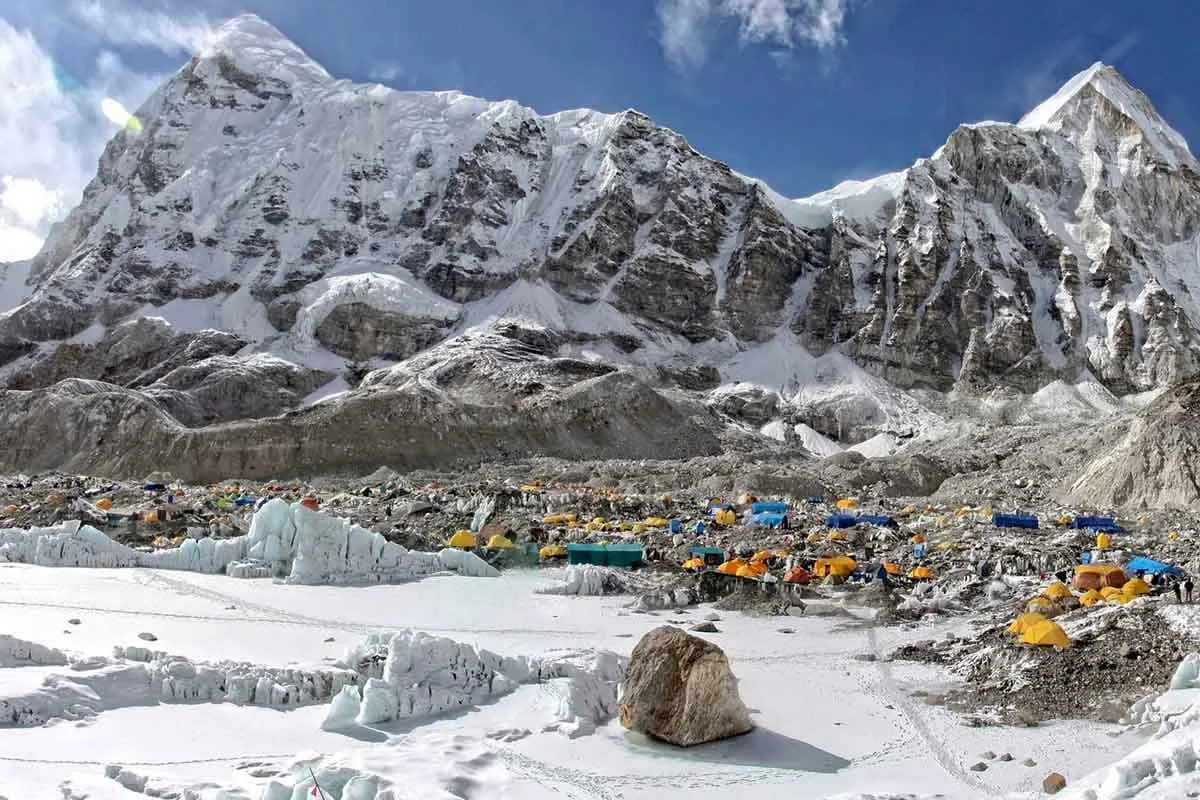
New Everest Base Camp Regulations
One of the most significant tourism updates in 2026 involves stricter management of Everest Base Camp.
The Department of Tourism has announced a crackdown on unauthorized overnight stays at Everest Base Camp.
Under the updated regulations:
- Only authorized expedition members are permitted to stay overnight.
- Licensed guides and official support staff may remain within designated camp areas.
- Unauthorized camping and overnight stays are prohibited.
- Authorities aim to improve environmental protection and reduce overcrowding in the fragile high-altitude ecosystem.
These measures are designed to preserve the mountain environment while ensuring safer and more organized operations during the climbing season.
For trekkers visiting Everest Base Camp, the route remains fully open and accessible through standard trekking itineraries.
Trekking Across Nepal Remains Fully Operational
Despite new regulations around expedition zones, Nepal’s trekking industry remains fully operational.
The Nepal Tourism Board has confirmed that trekking routes throughout the country remain open to international visitors.
Popular routes include:
- Everest Base Camp
- Annapurna Circuit
- Manaslu Circuit
- Langtang Valley
- Kanchenjunga Base Camp
- Mardi Himal
Travelers can continue to explore Nepal’s mountains without major restrictions, provided they follow local regulations and obtain the necessary permits.
Safety Advisories for Travelers in 2026
Nepal remains a welcoming destination, but travelers should exercise reasonable caution and remain informed about local conditions.
Natural Hazards
The country is vulnerable to:
- Landslides during the monsoon season
- Earthquakes
- Flash floods
- Avalanches in high-altitude regions
- Sudden weather changes in the Himalayas
Mountain weather can change rapidly, especially above 3,000 meters.
Trekkers should:
- Hire experienced local guides when possible
- Carry proper gear
- Purchase comprehensive travel insurance
- Monitor weather forecasts regularly
- Allow time for altitude acclimatization
Political Demonstrations
Occasionally, political demonstrations and strikes may occur in major cities.
Visitors should:
- Avoid large gatherings and protests
- Follow local news updates
- Keep flexible travel plans
- Avoid government buildings during periods of political tension
Most tourist destinations continue to operate normally even when demonstrations occur in urban centers.
Major Infrastructure Improvements Across Nepal
The Nepalese government is investing heavily in tourism infrastructure to support future growth.
Key initiatives include:
Airport Upgrades
Several airports are undergoing modernization projects to improve domestic and international connectivity.
Improved airport facilities aim to:
- Reduce travel delays
- Increase passenger capacity
- Improve visitor experiences
- Strengthen regional tourism networks
Trekking Corridor Development
New investments are being directed toward:
- Trail maintenance
- Bridge construction
- Safety improvements
- Visitor facilities
- Signage systems
These upgrades are expected to improve accessibility and safety across many trekking regions.
Heritage Conservation
Nepal continues to invest in preserving its historic temples, monasteries, and cultural landmarks.
Important heritage sites in:
- Kathmandu
- Bhaktapur
- Patan
remain among the country’s biggest attractions for international visitors.
Hospitality Expansion
Several new hospitality projects are under development, including luxury hotels and tourism facilities in emerging destinations such as:
- Janakpur
- Pokhara
- Lumbini
These developments are expected to strengthen Nepal’s position as a year-round tourism destination.
Tourism Boom During Public Holidays
Recent public holiday periods have demonstrated Nepal’s growing tourism momentum.
During extended holiday weekends, major destinations experienced noticeable increases in visitor arrivals.
Popular destinations included:
- Pokhara
- Chitwan
- Everest Region
- Annapurna Region
- Lumbini
- Bandipur
Hotels, transportation services, restaurants, and adventure operators reported strong demand from both domestic and regional travelers.
This trend reflects increasing confidence in Nepal as a safe and attractive travel destination.
Beyond Everest: Nepal’s Best-Kept Mountain Secrets
Everest Is Famous, But Nepal Has Much More to Offer
Everest often dominates travel headlines, social media posts, and bucket lists.
But many experienced trekkers will tell you something surprising:
The best adventure in Nepal isn’t always on Everest.
While Everest offers prestige and world-famous views, several lesser known regions provide equally breathtaking landscapes with fewer crowds and a more authentic experience.
Manaslu Circuit – For True Explorers
Mount Manaslu is Nepal’s eighth highest mountain.
The surrounding circuit trek offers:
- Remote Himalayan villages
- Spectacular mountain scenery
- Rich Tibetan influenced culture
- Fewer crowds than Everest
Many trekkers consider Manaslu the most rewarding alternative to Everest.
Annapurna Circuit – The World’s Most Diverse Trek
Annapurna Circuit combines:
- Snow-covered peaks
- Deep river valleys
- Forests
- High mountain deserts
- Traditional villages
Few trekking routes on Earth offer such diversity in a single journey.
Mardi Himal – Small Trek, Massive Views
Mardi Himal is perfect for travelers with limited time.
The trail provides:
- Incredible ridge walks
- Close-up views of Machhapuchhre
- Stunning sunrise viewpoints
- Less crowded paths
Kanchenjunga – Nepal’s Last Great Wilderness
Kanchenjunga offers one of the most remote trekking experiences in the Himalayas.
This region is ideal for travelers seeking:
- Untouched landscapes
- Rare wildlife
- Long expeditions
- Genuine wilderness experiences
Langtang Valley – The Hidden Himalayan Gem
Langtang Valley combines mountains, glaciers, local culture, and accessibility.
Only a few hours from Kathmandu, it offers one of Nepal’s best value trekking experiences.
Final Thoughts
Mount Everest will always be the crown jewel of Nepal’s tourism industry. It is the highest mountain on Earth and a dream destination for adventurers worldwide.
But Nepal’s story is much bigger than Everest.
If Everest represents achievement, then Manaslu represents exploration.
If Everest represents fame, then Kanchenjunga represents discovery.
If Everest represents a bucket list destination, then Annapurna, Langtang, and Mardi Himal represent the soul of Himalayan adventure.
In 2026, Nepal stands at an exciting crossroads welcoming more visitors than ever while investing in sustainability, infrastructure, and responsible tourism.
So yes, visit Everest.
But don’t stop there.
Because beyond the world’s highest peak lies an entire nation of mountains, trails, cultures, and adventures waiting to be discovered. 🇳🇵🏔️✨
0 Comment